You are awake, now what?

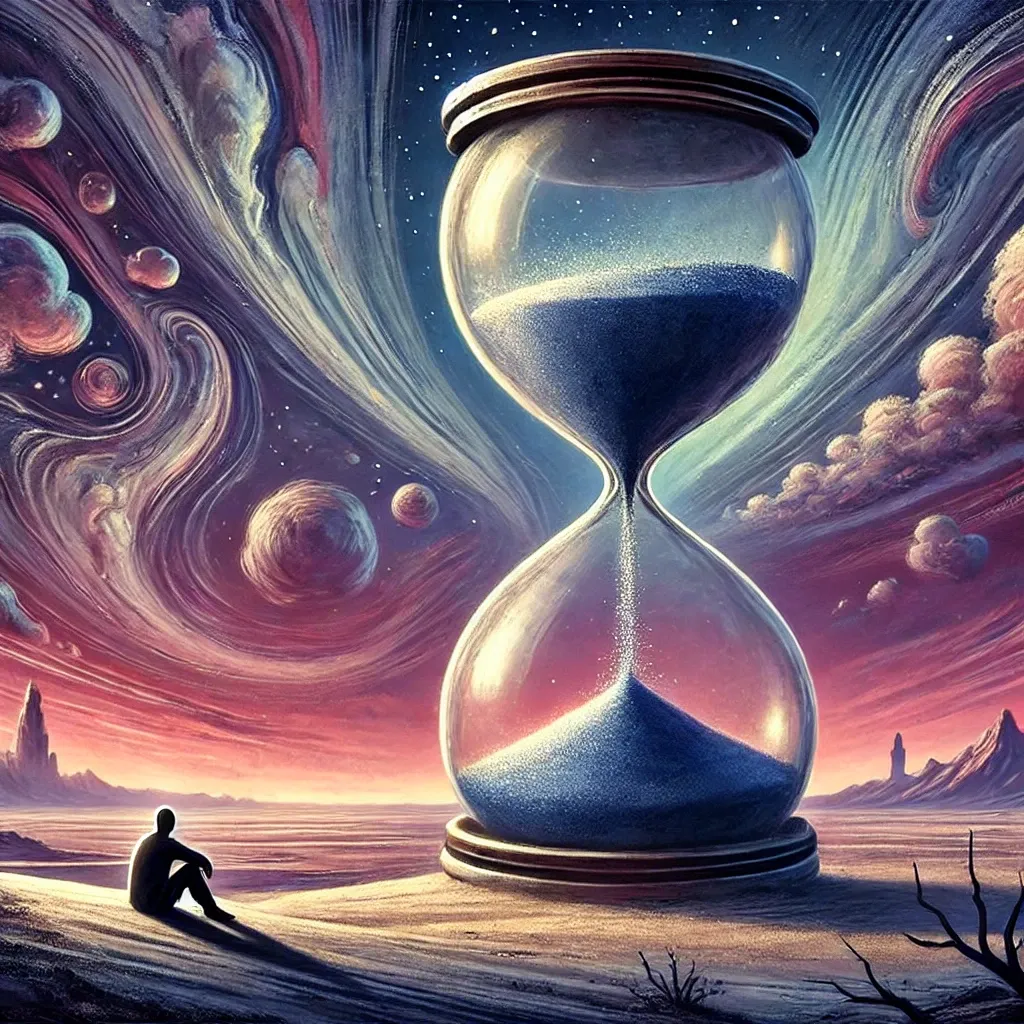
What Should One Do to Pass the Time?
Ask someone this question, and chances are their answer will involve starting a new series. So, naturally, that’s where one must begin.
But that felt too “unproductive,” so I figured pairing it with reading a book—one chapter per episode—might alleviate the guilt of idleness. And it did, for a while. But eventually, it all started to feel too sedentary.
So, you decide to add things up: doing grocery shopping instead of relying on Foodpanda for every necessity, eating out instead of ordering in, going to the gym, driving around, playing games, roaming. A number of activities, but none that actually cut it—failing to provide a sense of purpose.
At its core, animals are built around two primal pursuits: hunting and mating—finding food and sex. But what then? What do you do once your stomach is full, your thirst quenched, and your body spent?
A peasant working for a meager salary doesn’t ponder the meaning of his time; he’s too busy trying to make it through the day, to survive. The question of how to pass the time only arises when survival is no longer a struggle. That’s when you begin to notice the sheer weight of time pressing down on you.
And yet, if life is merely about filling time, then doing something just to pass the hours is no different from shortening them. The fewer the hours, the fewer the activities needed to fill them. Running in front of a truck (reducing your life hours) could be considered a more efficient way to pass the time than planning to fill it.
Blaise Pascal once said, "All of humanity's problems stem from man's inability to sit quietly in a room alone."
If suicide isn't an option, we must find appropriate tasks to fill our time. The problem is that a task can’t be just for the sake of filling the time at hand. The task must also feel purposeful. But purpose is a slippery thing as it stems from biological necessities (hunger, sex, survival, etc.), personal and social values, morality, and predispositions.
A person like Camus would argue that meaning and purpose are things we must create for ourselves in an indifferent universe. In The Myth of Sisyphus, he suggests that Sisyphus should happily embrace his fate—not because the task he is doing (pushing a boulder up the mountain) is fulfilling, but because the refusal to despair in the face of absurdity is an act of defiance. The struggle itself is what gives life meaning, not an external outcome.
I side more with Pascal, who, on the other hand, argues that defiance isn't enough. The eternal restlessness of human nature and a longing for something beyond mere existence demand a higher purpose of a personal and intellectual kind. A task isn't meaningful simply because it is done, but because it challenges us and offers a reward that justifies the effort.
So the task itself could be anything—finishing a series, writing an essay, playing a game, building a business, rubbing your balls, or taking a piss. But for it to be truly purposeful, there must be something at stake, a deeper significance.
You could argue that it’s all just a trick to keep ourselves occupied before the clock runs out. But in the absence of divine purpose, what else do we have but mental tricks?